In the ever-evolving world of plastics and materials science, High-Impact Polystyrene (HIPS) stands out as a versatile and reliable option for manufacturers across various industries. As we navigate through 2026, the demand for durable, cost-effective materials continues to rise, driven by consumer needs for everyday products that balance quality and affordability. HIPS, a modified form of polystyrene, offers exceptional impact resistance while maintaining the lightweight and moldable characteristics that make it ideal for consumer goods.
This informational market report delves into the applications of HIPS in consumer goods, with a specific focus on electronics and housing sectors. We’ll explore its durability, conduct a cost analysis, and provide an up-to-date market overview based on recent industry data. Whether you’re a manufacturer, investor, or simply curious about the materials shaping our daily lives, this detailed guide aims to provide valuable insights. By understanding HIPS’s role, we can appreciate how it contributes to sustainable and efficient production in a competitive global market.
HIPS is particularly favored in high-volume production environments due to its ease of processing and recyclability, aligning with growing environmental concerns. As global regulations push for more eco-friendly materials, HIPS’s compatibility with recycling infrastructure positions it as a frontrunner in the plastics market.

What is High-Impact Polystyrene (HIPS)?
High-Impact Polystyrene, commonly abbreviated as HIPS, is a thermoplastic polymer derived from styrene monomers with added rubber or butadiene to enhance its toughness. Unlike standard polystyrene, which can be brittle, HIPS incorporates impact modifiers that significantly improve its resistance to shocks and stresses, making it suitable for applications where durability is key.
Chemically, HIPS is an amorphous material, meaning it lacks a crystalline structure, which allows for excellent thermoforming and injection molding capabilities. It offers a balance of rigidity, impact strength, and stiffness, all while being lightweight. Typical properties include a density of around 1.04 g/cm³, tensile strength of 20-30 MPa, and an impact strength that can exceed 100 kJ/m², depending on the grade.
One of the standout features of HIPS is its cost-effectiveness. Produced through polymerization processes, it’s relatively inexpensive to manufacture compared to advanced engineering plastics like ABS or polycarbonate. Additionally, HIPS is highly customizable—it can be coloured textured, or made flame-retardant to meet specific requirements. Its recyclability is another plus; HIPS can be reprocessed multiple times without significant loss in properties, supporting circular economy initiatives.
In terms of environmental impact, while polystyrene has faced scrutiny for its persistence in landfills, advancements in recycling technologies have improved HIPS’s sustainability profile. Many manufacturers now incorporate post-consumer recycled content into HIPS products, reducing the need for virgin materials.

Readmore-
Self healing polymer
Applications in Consumer Goods
HIPS finds extensive use in the consumer goods sector due to its versatility and ability to withstand everyday wear and tear. Common applications include packaging trays, disposable cutlery, yogurt containers, and toy components. For instance, in food packaging, HIPS’s clarity and rigidity make it perfect for clamshell containers and portion-control trays, ensuring products remain protected during transport and display.
In the realm of household items, HIPS is used for items like storage bins, office organizers, and even furniture components. Its ability to be vacuum-formed into complex shapes allows for innovative designs in products such as desk trays and shelving units. The material’s impact resistance ensures these goods can handle drops and impacts without cracking, extending their lifespan and reducing waste.
Moreover, HIPS plays a role in recreational products like model kits and sports equipment casings. Its affordability enables mass production, making high-quality consumer goods accessible to a broader market. As consumer preferences shift toward durable yet economical items, HIPS continues to dominate this space, with innovations in bio-based additives further enhancing its appeal.
According to industry reports, HIPS’s broad utility in consumer goods contributes to its leading position in the polystyrene market, where it accounted for over 53% of revenue in 2024.

Applications in Electronics
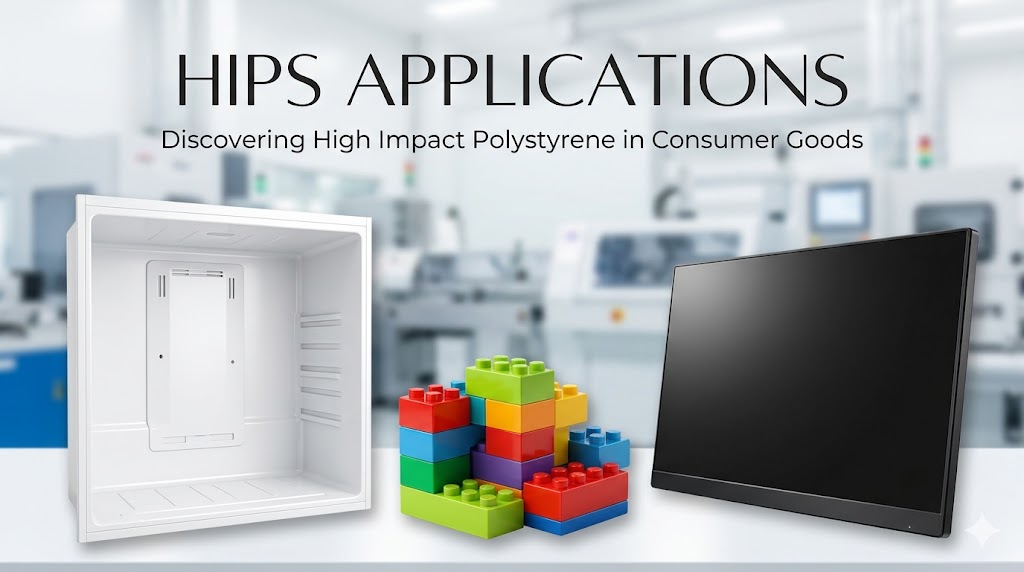
The electronics industry relies heavily on HIPS for protective casings and housings that safeguard sensitive components. Television bezels, computer monitors, and small appliance enclosures are prime examples where HIPS’s impact resistance and dimensional stability shine. In refrigerators, HIPS is used for liners and door inserts, providing a tough barrier against daily use while maintaining aesthetic appeal.
HIPS’s electrical insulation properties make it suitable for circuit board housings and power tool casings. Its ease of molding allows for intricate designs that incorporate ventilation slots or mounting points without compromising strength. In consumer electronics like remote controls and gaming accessories, HIPS ensures products can endure drops and rough handling.
Growth in this sector is tied to rising electronics production, particularly in Asia. For example, China’s 11.77% year-over-year increase in electronics output in the first half of 2025 has boosted HIPS demand. As smart home devices proliferate, HIPS’s cost advantages over alternatives like ABS make it a go-to material for manufacturers aiming to keep prices competitive.
Applications in Housing
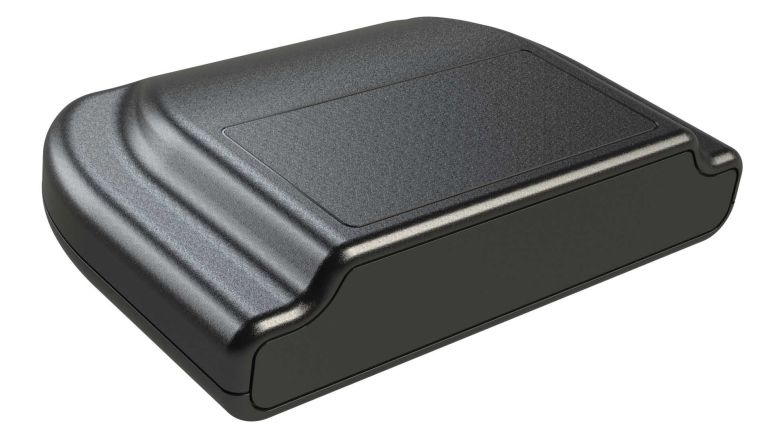
In the context of housing applications, HIPS is primarily used for durable enclosures and components in home appliances and building materials. This includes housings for HVAC systems, electrical outlets, and even interior fixtures like light switch plates. Its rigidity and impact strength make it ideal for protecting wiring and mechanisms in residential settings.
HIPS is also employed in modular housing elements, such as prefabricated panels or insulation backings, where its lightweight nature reduces installation costs. In kitchen appliances, HIPS forms the outer shells of blenders, toasters, and microwaves, offering resistance to heat and impacts from daily use.
The material’s adaptability extends to construction, where it’s used in formwork or temporary barriers. With increasing focus on affordable housing, HIPS helps in creating cost-effective, long-lasting components that meet building codes for durability.

Durability Analysis
Durability is one of HIPS’s strongest attributes, stemming from its rubber-modified composition. Standard tests show HIPS can absorb significant energy before fracturing, with Izod impact strengths often ranging from 1.5 to 4.0 ft-lb/in. This makes it superior to general-purpose polystyrene (GPPS) in applications prone to mechanical stress.
In real-world scenarios, HIPS products demonstrate excellent fatigue resistance, maintaining integrity over repeated cycles of use. Environmental factors like UV exposure can degrade HIPS over time, but additives such as stabilizers extend its outdoor lifespan. Compared to competitors, HIPS offers a favourable durability-to-weight ratio, though it may not match the extreme toughness of materials like polycarbonate.
Overall, HIPS’s durability supports its use in high-abuse environments, contributing to product longevity and reduced replacement rates.
Cost Analysis
From a cost perspective, HIPS is highly attractive, with raw material prices typically ranging from $1.50 to $2.50 per kilogram in 2026, depending on global oil prices and supply chains. Its low processing costs—due to easy thermoforming and injection molding—further reduce manufacturing expenses, making it cheaper than ABS by 20-30%.
Lifecycle costs are favorable too; HIPS’s recyclability lowers disposal fees and allows for material recovery. In high-volume production, economies of scale amplify these savings. However, fluctuations in styrene monomer prices can impact costs, as seen in recent market volatility.
For businesses, HIPS strikes a balance between performance and affordability, enabling competitive pricing in consumer markets without sacrificing quality.
Market Report
The global polystyrene market, where HIPS holds a dominant share, was valued at $48.91 billion in 2024 and is projected to reach $61.36 billion by 2030, growing at a CAGR of 3.8%. HIPS specifically accounted for over 53% of PS revenue, driven by demand in consumer goods, electronics, and packaging.
Dedicated HIPS market estimates suggest a value of around $9.5 billion in 2023, expanding to $15.7 billion by 2032. Key drivers include electronics growth in Asia and sustainability pushes toward recycled HIPS. Challenges like environmental regulations on single-use plastics could temper growth, but innovations in bio-based HIPS offer opportunities.
Regionally, Asia-Pacific leads, with North America and Europe focusing on high-value applications. Major players like INEOS Styrolution and TotalEnergies are investing in capacity expansions to meet demand.

US Iran Conflict Polymer Supply Chain
Conclusion
High-Impact Polystyrene remains a cornerstone of the consumer goods industry, offering unmatched versatility in applications from electronics to housing. Its durability and cost-effectiveness, combined with positive market trends, position HIPS for continued success. As we look ahead, embracing sustainable practices will be key to maximizing its potential.