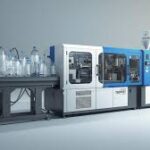
💡 The Future of Injection Molding: How Smart Machines & Sustainable Manufacturing Are Reshaping Plastics
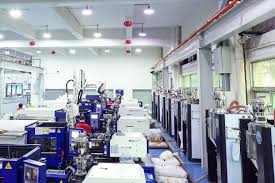
Injection molding technology, smart manufacturing, Industry 4.0 plastics, all-electric injection molding machines, sustainable plastics, digital twin molding, plastic machinery trends, circular economy plastics
Introduction: Injection Molding at a Turning Point
Injection molding remains the backbone of modern plastic manufacturing, enabling high-volume production of complex, precision components across automotive, medical, electronics, packaging, and consumer goods industries.
However, the industry is undergoing a fundamental transformation. Rising sustainability regulations, demand for lightweight materials, energy efficiency targets, and zero-defect manufacturing are pushing injection molding beyond mechanical excellence into the era of smart manufacturing and Industry 4.0.
Through Voice of Plastic’s “Voice of Manufacturing” series, we aggregate insights from global R&D leaders at BASF, Covestro, SABIC, and machinery innovators like Engel, Arburg, Haitian, Husky, KraussMaffei, and Sumitomo.
📊 Market Insight:
The global injection molding market is projected to grow from USD 192.7 billion (2024) to USD 235.7 billion by 2029, at a 4.1% CAGR, driven by automation, digitalization, and sustainable plastics.
Smart Injection Molding: Precision Meets Intelligence
Modern injection molding is no longer just about speed—it’s about data-driven precision.
Key Advancements in Injection Molding Technology
Cycle times below 10 seconds for complex geometries
AI-driven process monitoring for pressure, temperature, and flow
Smart sensors enabling real-time feedback control
Closed-loop process optimization reducing scrap and variability
Digital Twin & Simulation-Led Manufacturing
Advanced simulation tools like Autodesk Moldflow and SIGMASOFT now act as digital twins, enabling manufacturers to:
Predict warpage, sink marks, and weld lines before production
Reduce physical mold trials by up to 70%
Optimize gate design, cooling channels, and material flow
According to Covestro R&D leaders, AI can now predict defects before material injection, ensuring consistent quality across multi-cavity molds.
Material innovators such as BASF are integrating traceable and rheology-adjustable polymers, allowing machines to dynamically adapt processing conditions—marking a major leap in molding intelligence.
All-Electric Injection Molding Machines & Industry 4.0
The shift toward all-electric and hybrid injection molding machines is accelerating globally.
Why All-Electric Machines Dominate the Future
🔋 50–70% lower energy consumption
🎯 Repeatability up to ±0.01 mm
🔇 Lower noise and vibration
🧠 Seamless integration with Industry 4.0 systems
These machines are critical for micro-molding, medical components, electronics, and high-precision automotive parts.
With OPC-UA connectivity, machines now communicate seamlessly with MES, ERP, and cloud platforms—creating self-optimizing smart factories.
Injection Molding Machinery Trends: From Muscle to Mind
Global OEMs are redefining injection molding equipment with intelligence-first design.
Leading OEM Innovations
Engel iQ Systems: Real-time auto-correction during production
Arburg Smart Controls: AI-based torque and process adaptation
Haitian & Sumitomo: IoT-enabled machines streaming 200+ parameters
KraussMaffei APC+: Weight variation control below 0.1%
Husky Hot Runner Systems: 80% faster mold changeovers
Emerging Smart Factory Capabilities
Predictive maintenance with 72-hour failure forecasting
Remote diagnostics and AR-assisted mold servicing
AI-powered process assistants for operators
“The injection molding machine of the future will not just mold parts—it will think, learn, and optimize sustainability automatically.”
📈 By 2028, over 65% of new installations in Europe and North America are expected to include digital twins and edge-AI as standard.
Sustainable Injection Molding & the Circular Economy
Sustainability is no longer optional—it’s engineered into the molding process.
Circular Manufacturing in Injection Molding
In-line regrinding with NIR sorting for zero material degradation
Closed-loop production cells reducing waste to near zero
Blockchain-enabled MES for material traceability and compliance
Sustainable Materials Driving Change
Bio-based and biomass-balanced polymers
BASF biomass-balanced polyamides
SABIC TRUCIRCLE™ materials
Drop-in compatibility with existing molds and machines
Energy-Efficient Infrastructure
Regenerative braking in all-electric machines
Heat-pump chillers reducing cooling energy by 40%
Renewable-powered plants achieving carbon-neutral molding
Scandinavian manufacturers are already demonstrating how net-zero injection molding is commercially viable today.
What This Means for Plastic Manufacturers
The future of injection molding is intelligent, automated, and circular.
Manufacturers who invest early in:
Digital twins
AI-driven quality control
Sustainable materials
will gain cost efficiency, regulatory readiness, and long-term competitiveness.
Final Thoughts: Injection Molding Is Becoming a Thinking System
Injection molding is evolving from a mechanical process into a self-learning manufacturing ecosystem. AI, Industry 4.0, and sustainability are no longer trends—they are the new baseline.
At Voice of Plastic, we continue to track global plastic machinery trends, material innovation, and manufacturing intelligence, delivering insights that help decision-makers stay ahead of the curve.