
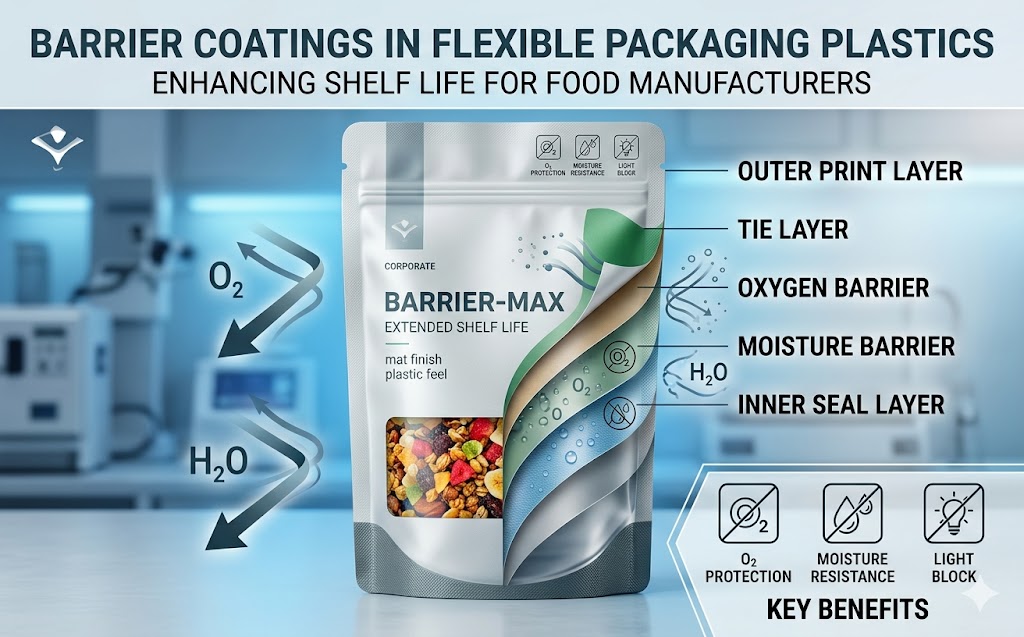
Barrier Coatings in Flexible Packaging Plastics: Enhancing Shelf Life for Food Manufacturers
Introduction
In India, food makers struggle to keep their products fresh. With more people wanting packaged food, good packaging is key.Hence Barrier coating in flexible packaging play a major role in food packaging/FMCG industry
Barrier coatings in flexible packaging plastics are a big help. They stop moisture, oxygen, and other bad stuff from getting in. This makes food stay fresh longer.
Using Barrier coating in flexible packaging helps food makers in India stand out. It’s a smart move in a busy market.
With Barrier coating in flexible packaging, food makers can cut down on waste. They can also make better products and meet customer needs for fresh food. This new tech is changing the food packaging game in India.
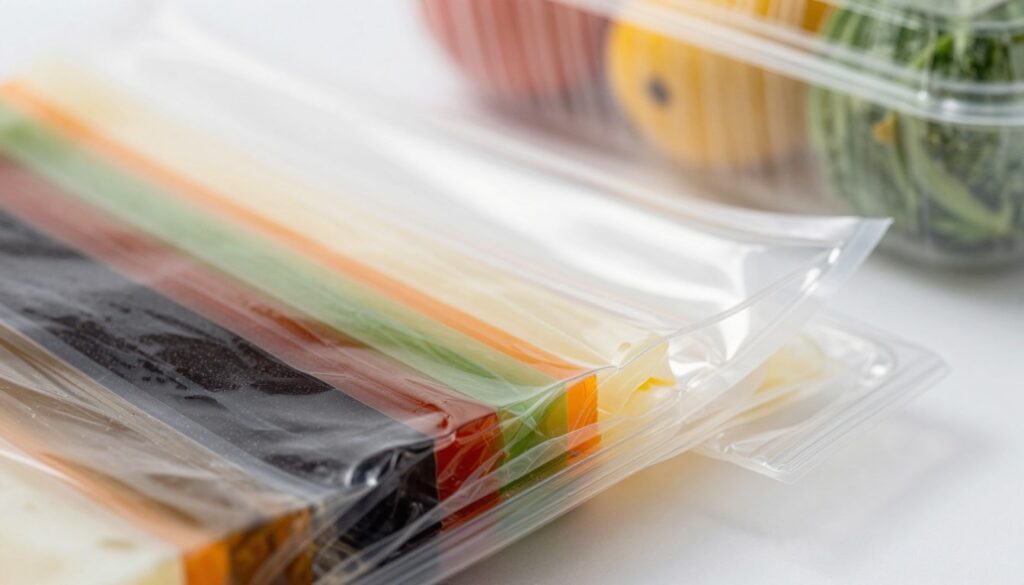
The Critical Role of Packaging in Food Preservation
Packaging plays a key role in keeping food fresh in India. The country’s varied weather makes good packaging a must. It helps keep food safe and lasts longer.
Current Challenges in Food Preservation in India
India’s climate and geography make food preservation tough. Hot and humid weather speeds up spoilage. Moisture and oxygen Barrier coating in flexible packaging help a lot.
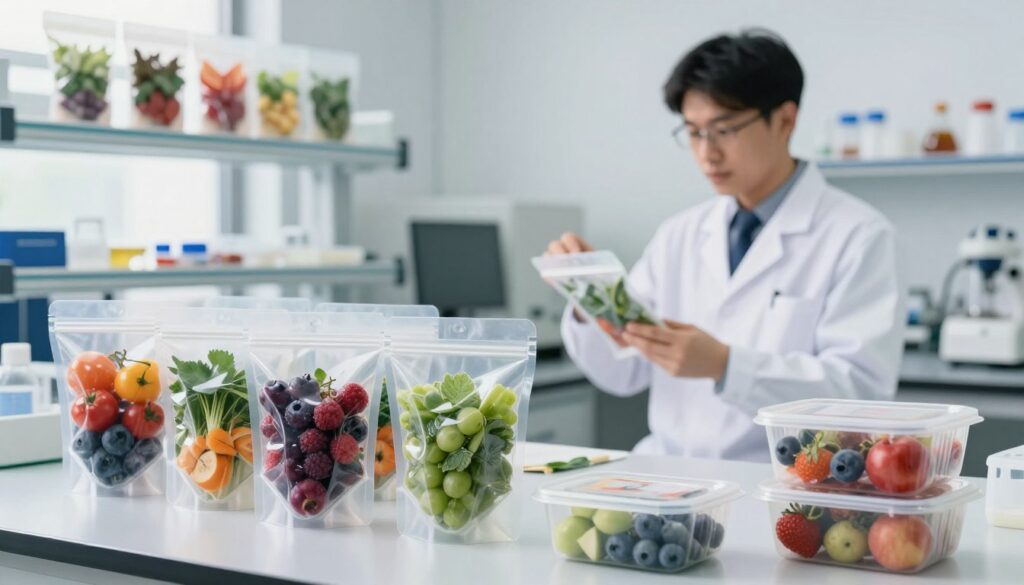
Economic Impact of Food Spoilage
Food spoilage costs India’s food industry a lot. About 40% of food is lost because of bad storage and packaging. This leads to big financial losses and affects food security.
Reports say India loses around ₹58,000 crores every year because of food spoilage.
| Category | Percentage Loss | Economic Impact (₹ crores) |
|---|---|---|
| Fruits and Vegetables | 30% | 20,000 |
| Grains | 10% | 15,000 |
| Dairy Products | 20% | 10,000 |
The Shift Toward Advanced Packaging Solutions
The Indian food industry is moving to better packaging. They’re looking at nanotechnology and biodegradable materials for better food preservation. These new methods help food last longer and are good for the environment.
A food industry expert says, “The future of food packaging is in smart and green solutions.”
“The future of food packaging lies in sustainable and intelligent solutions.” – Food Industry Expert
Understanding Barrier Coatings Flexible Packaging Plastics
In food packaging, Barrier coating in flexible packaging are becoming key for longer shelf life. They are special layers on packaging to protect better.
What Are Barrier Coatings?
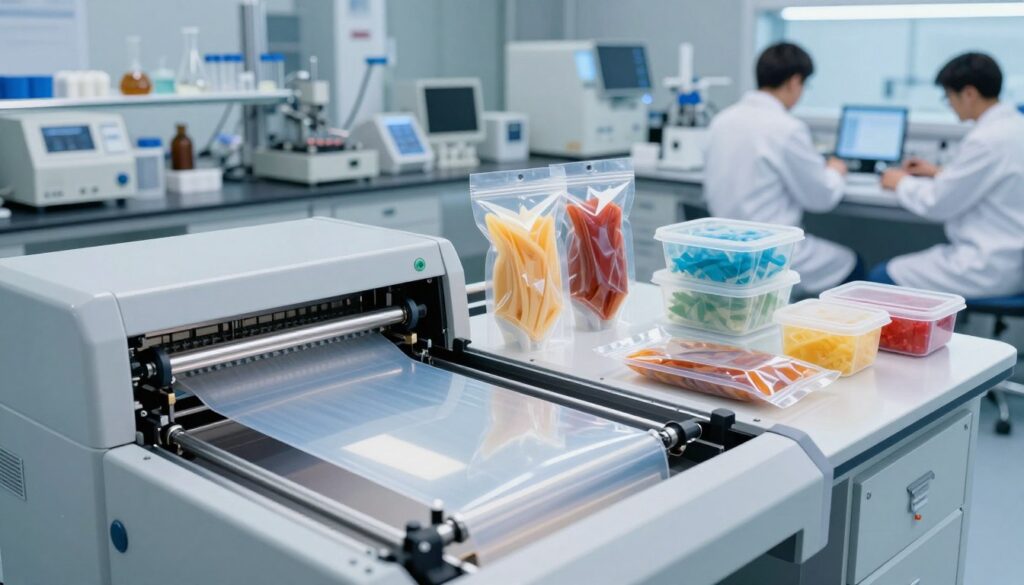
Barrier coatings are thin layers on packaging films. They stop gases, moisture, and contaminants. These coatings keep food fresh and quality high. Barrier coatings are applied by vacuum deposition and coating.
How Barrier Coatings Work
Barrier coatings act as a shield between food and the outside world. They block oxygen, moisture, and other harmful substances. This stops food from spoiling.
Oxygen Barrier Properties
Oxygen barrier properties are vital to keep food from oxidizing. This prevents spoilage and keeps flavors. EVOH (Ethylene-Vinyl Alcohol) and PET (Polyethylene Terephthalate) are good at this.
Moisture Resistance Mechanisms
Barrier coatings also stop moisture from getting in or out. This keeps food texture and freshness. It’s key for snacks and dried foods.
Types of Barrier Materials Used in India
India uses many barrier materials in food packaging. From old to new technologies.
Traditional vs. Modern Coating Technologies
Old methods use solvent-based coatings. New ones use nanotechnology and plasma-enhanced coating. The choice depends on the packaging needs.
Cost Considerations for Indian Manufacturers
Cost is big for Indian makers choosing barrier coatings. New techs work better but cost more. They must find a balance between quality and price.
The field of barrier coatings in flexible plastics is growing fast. There’s a lot of research to make them better and cheaper. As India’s food packaging grows, so will the need for these coatings.
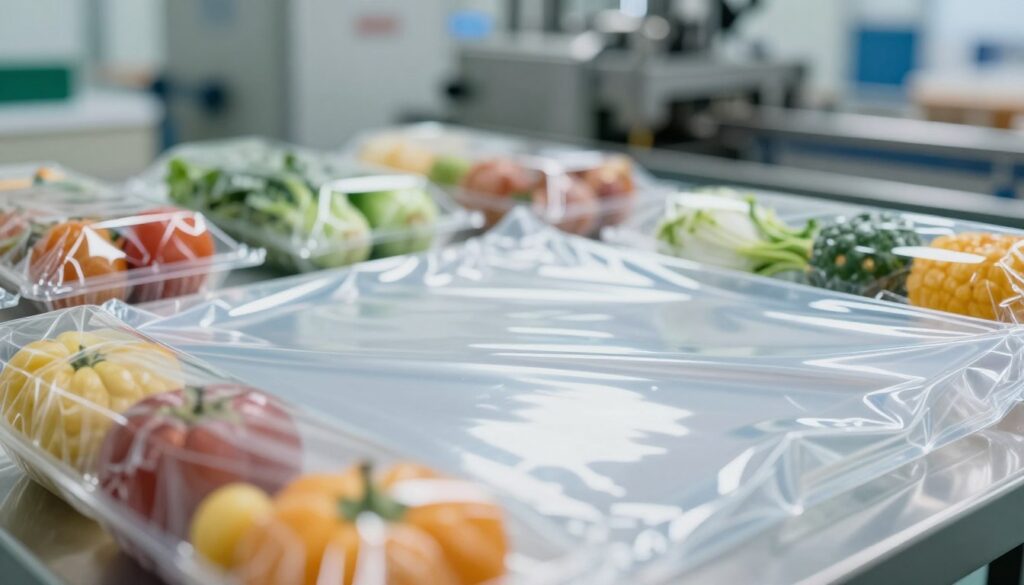
Key Benefits of Advanced Barrier Technologies
Advanced barrier technologies are changing food packaging, mainly in India. They help keep food fresh for longer. This is key for food diversity and preservation.
Extended Shelf Life Capabilities
These technologies keep food fresh longer. They block moisture, oxygen, and contaminants. This keeps food fresh and quality high for more time.
Case Studies from Indian Food Manufacturers
Indian food makers have seen big improvements. A snack company’s shelf life went up by 30% with new coatings.
Quantifiable Shelf Life Improvements
Studies show a 50% shelf life boost with these technologies. This means less waste and happier customers.
Protection Against Environmental Factors
These technologies also protect against humidity and temperature changes. This is very important in India’s varied climate.
Humidity Challenges in Indian Climate
India’s climate is diverse, with high humidity. Barrier coatings keep food dry and fresh.
Temperature Fluctuation Protection
They also protect food from temperature changes. This keeps the food in good condition.
Cost-Effectiveness for Manufacturers
Though they cost more at first, they save money in the long run. They reduce waste and improve supply chain.
Reduced Waste and Returns
They help keep products fresh, cutting down on waste and returns. This saves money.
Supply Chain Efficiencies
They make the supply chain better. They reduce the need for frequent restocking and spoilage risk.
| Benefits | Description | Impact |
|---|---|---|
| Extended Shelf Life | Prevents moisture and contaminants | Reduced waste, increased customer satisfaction |
| Environmental Protection | Guards against humidity and temperature fluctuations | Maintains product integrity, reduces spoilage |
| Cost-Effectiveness | Reduces waste and improves supply chain efficiencies | Long-term cost savings for manufacturers |
The Indian food industry is growing. Advanced barrier technologies will be key in keeping food fresh and reducing waste.
Innovative Applications in the Indian Food Industry
Barrier coating in flexible packaging are changing the Indian food industry. They are used in many ways to keep food fresh. This meets the needs of more people.
Ready-to-Eat Products
Ready-to-eat foods are popular in cities. People want easy meals. Barrier coating in flexible packaging help keep these foods fresh.
Urban Market Demands
City markets want packaging that keeps food fresh barrier coatings in flexible packaging are a good answer. They stop moisture and oxygen.
Convenience Food Packaging Innovations
New packaging for easy foods focuses on longer shelf life and safety. barrier coatings flexible packaging lead these changes. They let makers offer more products.
Dairy and Perishable Foods
Dairy and fresh foods need special packaging. Barrier coatings help keep them fresh longer.
Extending Freshness in Challenging Conditions
In hot or humid places, barrier coatings flexible packaging keep dairy products good. This is key in rural areas with tough distribution.
Packaging Solutions for Rural Distribution
Rural areas need strong packaging that can handle different conditions.barrier coatings in flexible packaging is a solid choice. It makes sure products arrive well.
Traditional Indian Foods Preservation
barrier coatings in flexible packaging also help with traditional Indian foods like spices and snacks. They keep the taste and smell of these foods.
Adapting Barrier Technologies for Local Cuisines
By using barrier technologies for local foods, makers can keep traditional tastes. But they also make the foods last longer.
Export Opportunities Through Better Packaging
Good packaging with barrier coatings in flexible packaging plastics opens up new chances for Indian food exports. It helps meet global quality standards. This lets Indian makers sell more worldwide.
| Food Category | Benefits of Barrier Coatings | Impact on Shelf Life |
|---|---|---|
| Ready-to-Eat Products | Prevents moisture and oxygen ingress | Extended shelf life |
| Dairy and Perishable Foods | Maintains freshness in challenging conditions | Improved product quality |
| Traditional Indian Foods | Preserves flavor and aroma | Enhanced export opportunities |
Sustainability and Future Trends
The packaging industry is at a crossroads. It must balance barrier coatings in flexible packaging & sustainability. Consumers are now more eco-friendly, pushing manufacturers to be green without losing quality.
Read more –
Self healing polymer
HIPS in consumer good
Eco-Friendly Barrier Coating Solutions
Eco-friendly barrier coatings in flexible packaging plastics are becoming more popular. They help reduce environmental harm and meet the demand for green packaging.
Biodegradable Options for Indian Market
Biodegradable barrier coatings in flexible packaging plastics are a new option for India. They are made from natural stuff and break down easily, cutting down plastic waste.
Regulatory Landscape and Compliance
Manufacturers must navigate the regulatory world carefully. Following environmental laws helps avoid legal trouble and boosts brand image.
Balancing Performance with Environmental Responsibility
Finding a balance between quality and green is essential. Companies are researching to create coatings that work well and are good for the planet.
Consumer Awareness and Preferences
People are now looking for eco-friendly packaging. Knowing this, companies are moving towards greener options to meet consumer needs.
Industry Initiatives in Sustainable Packaging
The industry is taking steps to lessen its environmental footprint. This includes recycling and making biodegradable materials, showing companies’ commitment to sustainability.
| Sustainability Aspect | Current Practices | Future Directions |
|---|---|---|
| Eco-Friendly Materials | Use of recyclable materials | Development of biodegradable materials |
| Regulatory Compliance | Adherence to existing regulations | Proactive engagement with evolving regulatory landscapes |
| Consumer Education | Awareness campaigns | Integration of sustainability information on packaging |
Conclusion
The Indian food industry is changing fast. It’s using advanced barrier coatings in flexible packaging plastics. These coatings help keep food fresh longer, cutting down on waste.
These coatings protect food from moisture, oxygen, and light. This means food stays fresh for more time. It’s great for ready-to-eat items, dairy, and perishables.
There’s also a push for eco-friendly packaging. New barrier coatings are being made to be better for the planet. As the industry grows, using these coatings and green practices will be key.
Using these new solutions helps the Indian food industry grow. It makes them more competitive and saves money. The future of food packaging is bright, thanks to barrier coatings and flexible packaging.


Mexwoncasino, huh? Sounds interesting! Took a spin earlier and gotta say, they have some solid slots. Payouts seemed decent too. Anyone else tried it? Check it out and let me know what you think! mexwoncasino