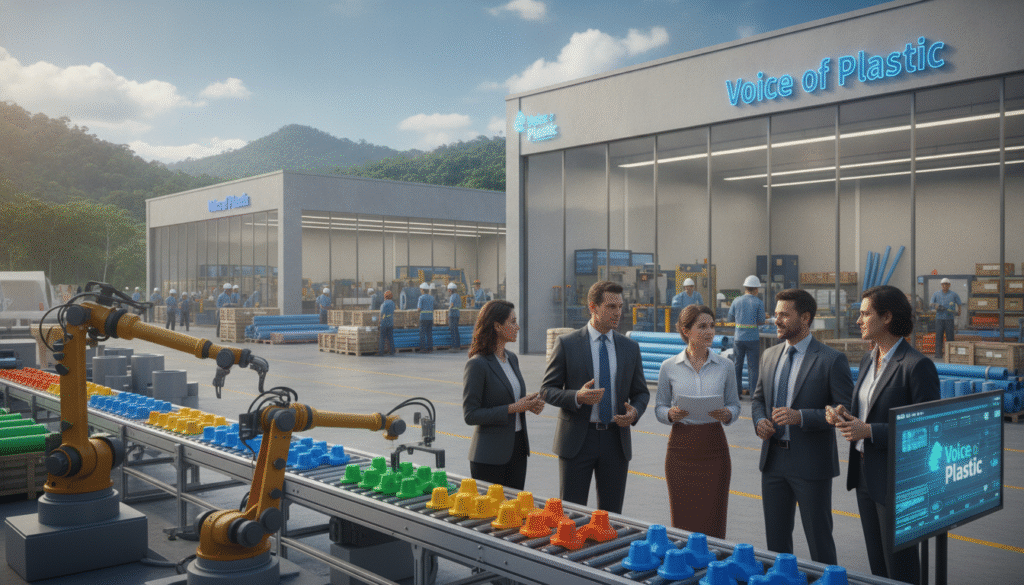
The world’s need for synthetic materials is growing fast. Experts say we’ll see over one billion tons made every year by 2050. Plastics manufacturing is moving to Latin America, making it a key area for growth.
Investors are keeping a close eye on this growth. Companies are updating their plants to meet the demand. They’re also focusing on sustainable practices to stay in the global market.
This article looks at how America and its southern neighbors are changing the plastics industry. We’ll dive into what’s driving this growth and its impact on future investments.
Key Takeaways
- Global production of synthetic materials is set to hit one billion tons by 2050.
- The region is rapidly scaling its industrial capabilities to meet international demand.
- Sustainability and circular economy models are now central to regional business strategies.
- Technological modernization is a primary driver for current sector expansion.
- Investors can find significant opportunity by aligning with local policy shifts and innovation.
The Current Landscape of Plastics Manufacturing Latin America Growth

Recent data shows that plastics manufacturing Latin America growth is reaching new heights. The region is becoming more important in the global supply chain. In 2022, the industry produced over 15 million tons of plastic.
This is about 4% of the world’s total output. It shows the region’s growing role in international markets.
The sector is changing a lot. Companies are moving to more efficient and sustainable ways of making plastics. This change is key for staying competitive and meeting global demands.
Local producers are working to increase their capacity while also modernizing. They are investing in advanced technology and better logistics. This helps them become key players in the global trade network.
For plastics manufacturing Latin America growth to keep going, companies need to mix high output with innovative operations.
Economic Drivers Fueling Regional Industrial Expansion
A mix of growing wealth and smart trade policies is changing the manufacturing scene in Latin America. This change is more than just a trend. It’s a fundamental shift in how local industries produce and connect with the global market.
The growing middle class wants better-quality products that match today’s values. This has made sustainable packaging more important. People are looking for brands that care about the environment.
Rising Domestic Consumption and Middle-Class Growth
More money in people’s pockets is driving industrial updates. Companies are investing in new tech to make biodegradable plastics.
Experts think the market for these green materials will hit USD 652.1 Million by 2034. This shows a permanent structural demand for new, eco-friendly options.
Trade Agreements and Export to the United States
Smart trade deals are helping Latin American producers reach the U.S. market. These agreements give a competitive advantage by cutting down on trade hurdles.
Local companies can now offer sustainable packaging to American businesses. By using these trade paths, they can grow and meet the world’s need for biodegradable plastics.
Key Markets to Watch in South America
South America is changing fast as new industrial centers grow. These places are focusing on better infrastructure and innovation. They aim to expand their markets across the continent.
Brazil: The Regional Powerhouse for Polymer Production
Brazil is leading in manufacturing in the region. It uses its big agricultural areas to make renewable materials for bioplastics.
By 2025, Brazil will have 35.9% of the biodegradable plastics market in the region. Its strong role in polymer production attracts investors looking for green manufacturing options.
Colombia: Strategic Logistics and Manufacturing Hub
Colombia is becoming a key logistics center for companies. The government supports the growth of industrial clusters for better teamwork and efficiency.
These efforts are boosted by global circular economy programs. They push for modern manufacturing standards. Colombia aims to be a major player in the regional supply chain through quality polymer production.
Investors see these benefits as a solid base for growth. More investment in these areas will likely lead to more market expansion in the next decade.
Opportunities in the Mexican Plastics Sector
Mexico is becoming a top spot for plastics making, thanks to its great location. Companies want to cut down on shipping costs and reach customers faster. This makes Mexico a key player for businesses wanting to grow in the area.
Nearshoring Trends and US Supply Chain Integration
Nearshoring is changing how companies make things in the region. Moving production closer to the US cuts down on delivery times and makes supply chain work better. It also means quicker responses to market changes and cheaper shipping.
Many companies are setting up local factories to stay ahead in the global market. This move helps them avoid shipping problems from far away. Being close is now the key to a strong and efficient business.
Automotive and Packaging Industry Demands
The car and packaging industries need high-quality plastics the most. Makers are working to meet global standards and local needs. A big challenge is the fast move to sustainable packaging solutions.
With 31 out of 32 Mexican states banning single-use items, the industry must get creative. Companies focusing on green materials are doing well. By using new production methods, they meet supply chain and environmental rules.
Technological Advancements and Modernization Efforts
The shift toward smarter production methods is changing the industrial scene in Latin America. As worries about the environment grow, making things better is key. This is to cut down the huge amount of plastic waste in our environment each year.
By updating old systems, plants in the region are becoming leaders in sustainable manufacturing.
Adopting Industry 4.0 in Latin American Facilities
To stay ahead, many places are adding Industry 4.0 tech to their work. This digital change lets companies watch their production lines live. They use smart sensors and data analysis to see how much energy and materials they use.
This gives them unprecedented visibility into their operations. It helps them spot problems early and avoid big losses.
Using Industry 4.0 is not just about being fast. It’s about making a smarter, more flexible supply chain. This meets the high standards of international partners.
Automation and Precision Molding Capabilities
Automation is now a must for firms wanting better products and less waste. Modern molding machines can make things more accurately. This means less need for extra work later on.
This high-level accuracy makes sure every product is up to quality standards. Investing in these new technologies cuts costs and boosts production. As plants keep updating, they can handle more complex orders with greater efficiency.
This tech progress is vital for the plastics industry’s future and for taking care of our planet.
Sustainability and the Circular Economy Shift
The circular economy is changing how companies make things in Latin America. They’re moving from old ways to new ones that focus on using resources better and caring for the planet. This change is more than just a trend; it’s a big shift in how the industry sees its future.
Regulatory Changes Regarding Single-Use Plastics
Countries in the region are making laws to fight plastic waste management problems. Chile is a great example with its new Extended Producer Responsibility (EPR) law. This law makes companies responsible for their products from start to finish.
These rules push companies to make more eco-friendly packaging. Those who get on board early can get ahead in the market. Now, following these rules is essential for success.
Investment in Recycling Infrastructure and Bio-Plastics
There’s a lot of money going into recycling infrastructure too. New facilities are being built to sort and reuse waste. This is key for a strong supply chain that meets local and global needs.
At the same time, the industry is looking into biodegradable plastics to cut down on waste. These new materials could help companies reduce their carbon footprint. As technology gets better, using these materials will become more common.
Navigating Regulatory Frameworks and Compliance
Expanding into Latin America requires understanding complex regulatory compliance. Each country has its own rules that need careful attention and planning from the start.
US companies can avoid risks and ensure stability by knowing these rules well. Proactive engagement with local legal experts is key to meeting these varied requirements.
Understanding Local Environmental Standards
The environmental rules in Latin America are changing fast. Countries are creating new policies to deal with microplastics and harmful additives in products.
US investors must keep up with these changes to stay regulatory compliant in their supply chains. Adapting your manufacturing to these new rules early can give you a big edge in the market.
Import and Export Tariffs for US Investors
Managing trade costs is critical for keeping profits up when working across borders. Tariffs differ a lot between countries, so it’s important to study trade agreements before investing.
Planning your logistics and customs can prevent unexpected costs. By matching your operations with good trade policies, your regulatory compliance efforts can help your financial goals in the region.
Workforce Development and Technical Training
The plastics industry is changing fast, and so is the need for skilled workers. Companies are using new, complex machines that need people who know how to use them. Investing in human capital is key to staying ahead in the global market.
Bridging the Skills Gap in Specialized Manufacturing
The shift to a circular economy will bring new jobs, with Latin America set to gain a lot. To fill these jobs, we need more people trained in polymer science and automated manufacturing. Focusing on these areas will prepare teams for today’s production needs.
To close the skills gap, we must keep learning and growing. Companies are starting training programs for their staff. This helps employees learn new tech and boosts innovation and efficiency in the factory.
Partnerships with Local Technical Universities
Working together with universities is changing the game for the region. By teaming up, manufacturers and schools create programs that meet the real-world needs of the plastics industry. Students get practical experience in precision molding and material science.
These partnerships also offer internships and research projects. They help both students and businesses. When universities and factories collaborate, they create a sustainable pipeline of talent. This ensures the next generation of workers is ready to lead the industry.
Logistics and Supply Chain Infrastructure Challenges
Changing the supply chain in Latin America is key to growing the plastics industry. The region has huge growth chances, but companies face big challenges. They need to move goods smoothly to stay competitive globally.
Improving Port Efficiency and Inland Transportation
The region must update its transit systems. With 17,000 tons of plastic waste daily, there’s a big chance to improve. Better ports and roads will help move materials reliably.
“Logistics is the lifeblood of industrial expansion; without efficient movement, even the most advanced manufacturing facilities will struggle to reach their full potentials.”
Improving these routes cuts down on delays and costs. Better transport turns the plastic waste management problem into a resource. This needs work from both private investors and local governments to improve connections.
Managing Raw Material Sourcing and Inventory
Keeping a steady supply of quality materials is essential for growth. Companies need strong plans for managing their stock, including recycled materials. Building up recycling infrastructure is vital for a circular economy.
Good supply chain management helps avoid material shortages. Using new tracking tech makes plastic waste management more efficient and clear. A well-run inventory is the base for sustainable growth and success in the region.
Financial Incentives for Foreign Direct Investment
Expanding into Latin America for manufacturing is now more appealing thanks to new government-backed financial programs. Many countries in the region are trying to attract foreign direct investment with competitive packages. These packages aim to make it easier for international firms to start.
They also want to help these firms grow in the long run. This will boost the economy and help them establish a strong presence in the region.
Government Grants and Tax Breaks for Manufacturers
Local governments are focusing on sustainable industrial growth by giving financial support. Companies that do innovative research on recycled materials get big tax breaks. These grants help reduce the use of fossil raw materials, which is good for the environment.
Using these incentives, businesses can grow their polymer production faster and spend less. Many places offer tax holidays for green manufacturing. This is good for both the company and the local economy.
Public-Private Partnerships in Industrial Zones
Public-private partnerships are key to increasing industrial output in the region. These partnerships give companies access to top-notch infrastructure in special zones. This makes it easier for firms to grow their polymer production than they could alone.
These partnerships include shared logistics, energy, and waste management. This support is essential for firms to have a reliable supply chain for foreign direct investment projects. These environments offer the stability and resources needed for success in Latin America.
Competitive Analysis of Regional Manufacturing Clusters
Success in the plastics sector often depends on finding the best industrial clusters for foreign direct investment. By looking at the strengths of different hubs, companies can grow for the long term. Knowing these details is key for any firm planning to expand into the region.
Comparing Production Costs Across Latin American Nations
Investors must look beyond just labor costs. They need to consider the total cost, including logistics, energy, and rules. With plastic pollution costs over $2.5 trillion a year, efficiency is key to stay competitive.
The table below shows important metrics for major manufacturing hubs. It helps you see the benefits of each location:
| Country | Primary Strength | Labor Cost Index | Logistics Rating |
|---|---|---|---|
| Mexico | Nearshoring/US Access | Moderate | High |
| Brazil | Polymer Production | Moderate | Medium |
| Colombia | Strategic Logistics | Low | Medium |
Identifying Niche Markets for Specialized Plastics
There’s big opportunity in specialized plastics with high margins. Companies that use local expertise in industrial clusters can make products for cars, medicine, and green packaging. This focus helps avoid the competition of common plastics.
To succeed in these niches, you need to innovate and focus on quality. By investing in areas with specialized training, you stay ahead in the industry. This not only increases profits but also helps the world move towards a greener economy.
Risk Management Strategies for US Companies
The benefits of nearshoring are clear, but leaders must also prepare for challenges. A detailed plan for risk mitigation is key for any expansion. Anticipating hurdles helps protect your investment and ensures success.
Mitigating Currency Fluctuations and Inflation
Businesses face volatile exchange rates and inflation when operating across borders. To keep margins healthy, use financial hedging and have diverse banking ties. Local partnerships offer insights into managing costs in industrial clusters.
The triple planetary crisis adds systemic risk to global development. Companies focusing on sustainability are better protected against future costs. Investing in green technology helps against inflation and environmental risks.
Ensuring Political Stability and Legal Security
Entering a new country requires understanding the local laws. US companies must ensure legal security with solid contracts. Thorough market research is essential for asset protection.
Strong ties with local stakeholders add stability. Aligning your goals with regional needs creates a win-win situation. This approach secures your spot in industrial clusters, making your operations resilient during political changes.
| Risk Category | Primary Strategy | Expected Outcome |
|---|---|---|
| Currency Volatility | Financial Hedging | Stable Profit Margins |
| Inflationary Pressure | Local Sourcing | Reduced Cost Exposure |
| Political Shifts | Legal Due Diligence | Contractual Protection |
| Environmental Risks | Sustainable Tech | Regulatory Compliance |
Building Successful Partnerships with Local Firms
Working in Latin America is easier with a local ally. You need more than money to succeed here; you need to build long-term relationships. Partnering with local firms helps international companies get past common hurdles and grow faster.
Cultural Considerations in Business Negotiations
Business in Latin America focuses on relationships more than deals. Good negotiations need patience and a real interest in the local culture. Meeting face-to-face helps build trust for a lasting partnership.
Respecting local customs and communication styles makes your company stand out. When both sides feel respected, a strong partnership can grow. Mutual respect is key to smooth negotiations.
Leveraging Local Expertise for Market Entry
Local partners know the market’s unique details. They help with regulatory compliance, which is hard for new companies. Their knowledge helps avoid legal issues and makes operations smoother.
Local firms are also key for Industry 4.0 technology adoption. They understand the local infrastructure and workforce. Working together ensures new systems work well and keep production high.
Engaging with stakeholders is also important for circular economy models. Local partners connect global sustainability goals with local needs. The table below shows why these alliances are strategic.
| Partnership Benefit | Local Partner Contribution | US Firm Contribution |
|---|---|---|
| Regulatory Compliance | Navigating local laws | Global best practices |
| Industry 4.0 Adoption | Technical workforce integration | Advanced technology transfer |
| Market Access | Established distribution networks | Capital and brand equity |
| Sustainability | Circular economy implementation | Innovative green materials |
Conclusion
Latin America is at a key moment for the plastics industry. Global companies have a chance to change their supply chains. They can use local materials and trade routes.
Success in this market means moving to a circular economy. Businesses need to focus on sustainable practices. This way, they cut down on waste and meet the needs of eco-aware customers.
It’s also important to manage risks well. Companies should work with local partners and invest in technology. This helps them grow and protect their assets in a tough market.
To make money, companies must innovate and understand local cultures. We encourage you to look into these opportunities. Your actions in Latin America will shape your success in the global plastics market.
FAQ
What is driving the significant growth in the Latin American plastics industry?
The plastics sector in Latin America is booming. It hit over 15 million tons in 2022. This growth comes from a growing middle class wanting better products, trade deals with the US, and modernizing factories to meet global needs.
How is Mexico benefiting from current global manufacturing trends?
Mexico is a key player in nearshoring. This lets companies work closer with the US. The auto and packaging sectors in Mexico are strong, needing high-quality plastics. They also adapt to single-use plastic bans in 31 states.
Which South American countries are the best for polymer production and logistics?
Brazil leads with its big agricultural base for bioplastics. Colombia is a key logistics hub, thanks to government support and EU circular economy programs.
What technological advancements are Latin American facilities adopting?
To stay competitive, plants are embracing Industry 4.0. They use automation, precision molding, and data analytics. This improves production, reduces waste, and makes products consistent.
How is the region transitioning toward a circular economy?
The shift is driven by new laws like Chile’s EPR. These laws make manufacturers responsible for their products’ life cycle. They encourage recycling and resource recovery.
What are the primary logistics challenges for manufacturers in the region?
Manufacturers face issues with port efficiency and inland transport. Almost 17,000 tons of plastic waste are dumped daily. This shows a big chance for improving recycling logistics.
What financial incentives are available for foreign investors?
Latin American governments offer grants and tax breaks for sustainable manufacturing. Public-private partnerships in industrial zones help firms grow while reducing costs.
How are regional manufacturers addressing the technical skills gap?
Investing in human capital is key. Manufacturers partner with local universities for training in polymer science and automation. This prepares the next generation for modern industries.
How can US companies manage the risks of currency fluctuations and political shifts?
US companies need strong risk management and legal security. Focusing on long-term stability and local expertise helps manage inflation and environmental standards.
Also read –
References
| Section | Anchor Text | Destination |
|---|---|---|
| Global plastics demand | OECD Plastics Overview | Global plastics trends, production, and policy |
| Market growth statistics | OECD Global Plastics Outlook | Data on plastics production, consumption, and future growth |
| Circular economy | UNEP Turning off the Tap Report | Circular economy and sustainable plastics |
| Emerging Asia | OECD Regional Plastics Outlook for Southeast and East Asia | Regional opportunities in Asia |
| International trade & policy | OECD Global Plastics Outlook Report | Policy and international plastics value chains |

Great content! Keep up the good work!